
Ichpal Kaur (Srinagar, Jammu & Kashmir)
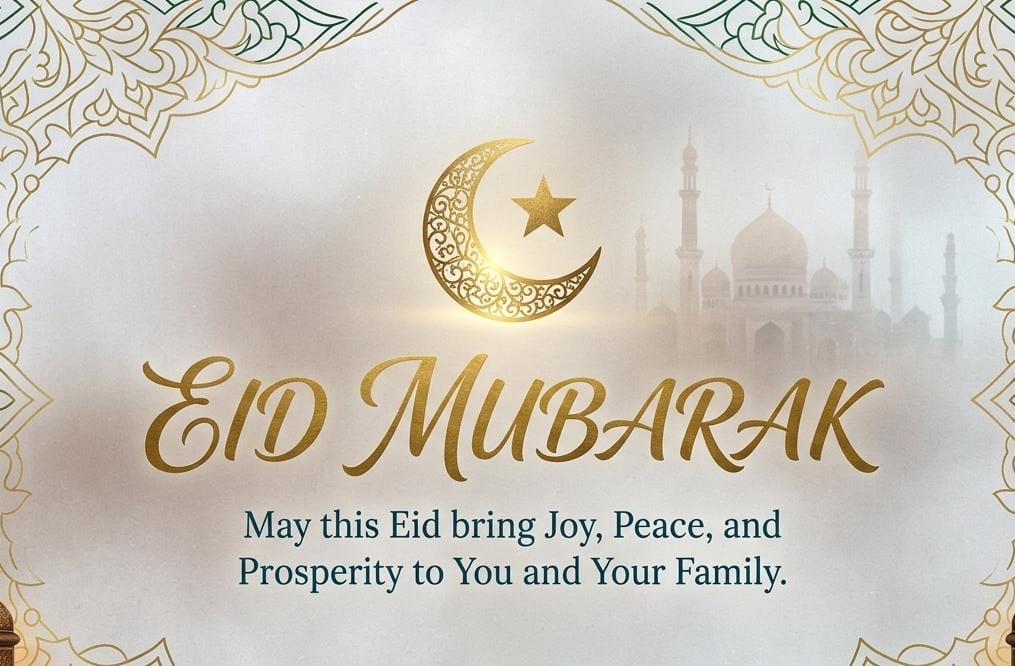
As the blessed festival has just been celebrated, I extend my heartfelt Eid Mubarak to all my Muslim brothers and sisters. May the spirit of this joyous occasion continue to bring peace, compassion and prosperity to every home.
Eid follows the sacred month of fasting — a time that teaches patience, humility and empathy. From dawn to sunset, people voluntarily restrain themselves from food, water and worldly desires. This discipline is not merely physical; it is deeply spiritual. It reminds us of the suffering of the less fortunate and inspires generosity toward those who struggle every day for their basic needs.
Across cities and villages, we witnessed beautiful scenes of kindness during this time. Food was distributed, donations were made, and people came together to help the poor. Such acts reflect the true spirit of Eid — compassion for humanity.
Yet even after Eid, we must hold on to a simple but powerful truth: charity begins at home.
While extending kindness to the world outside, we must not overlook the quiet sacrifices made within our own homes. The spouse who stands by us, the children who seek our time and affection, and the family members who silently support our journeys also deserve our patience, love and respect.
Sometimes people show generosity publicly yet forget tenderness in their personal relationships. Festivals remind us that true kindness is not only about giving money or distributing food. It is also about speaking gently, showing gratitude, and treating our loved ones with dignity.
Ramadan teaches patience in the most practical way. During fasting, people consciously avoid anger, arguments and harsh words to preserve the sanctity of their fast. This beautiful discipline raises an important reflection: if patience is possible during fasting, why should it fade once the month ends?
Imagine a world where the patience practiced during Ramadan continues throughout the year — where people choose calm over conflict, empathy over ego, and dialogue over hostility.
At a time when the world is witnessing painful conflicts and wars, the message of Eid remains deeply relevant. Innocent lives, especially children, continue to bear the heaviest burden of these tragedies. My heartfelt prayers go out to those families and children affected by global conflicts, including those suffering in regions such as Iran. Their pain reminds us that humanity must remain above politics, borders and divisions.
Even as the celebrations have ended, let us not forget those children whose Eid passed under the shadow of hardship. Their struggles should remain in our thoughts beyond the festival.
True charity is not about excess. It is not about purchasing more than we need and later distributing what remains. Real generosity lies in conscious sharing — in buying thoughtfully and sharing willingly from the very beginning.
Eid is a festival of Muslims, but the values it carries belong to all humanity. The lessons of patience, humility, generosity and brotherhood resonate across every faith — whether Muslim, Sikh, Hindu, Christian or any other community living together in harmony.
Festivals remind us that beyond our religious identities, we share a deeper bond — the bond of humanity.
If compassion begins at home, it naturally spreads to neighborhoods, communities and eventually to the entire world. A kind word at home, a patient heart in daily life and a helping hand to those in need can together build a more humane society.
Though Eid has passed, its message must live on — in our actions, our words and our relationships.
Because when kindness starts at home, it has the power to change the world.
Eid Mubarak to everyone. May peace, patience and humanity guide us all.