
Mohammad Hanief
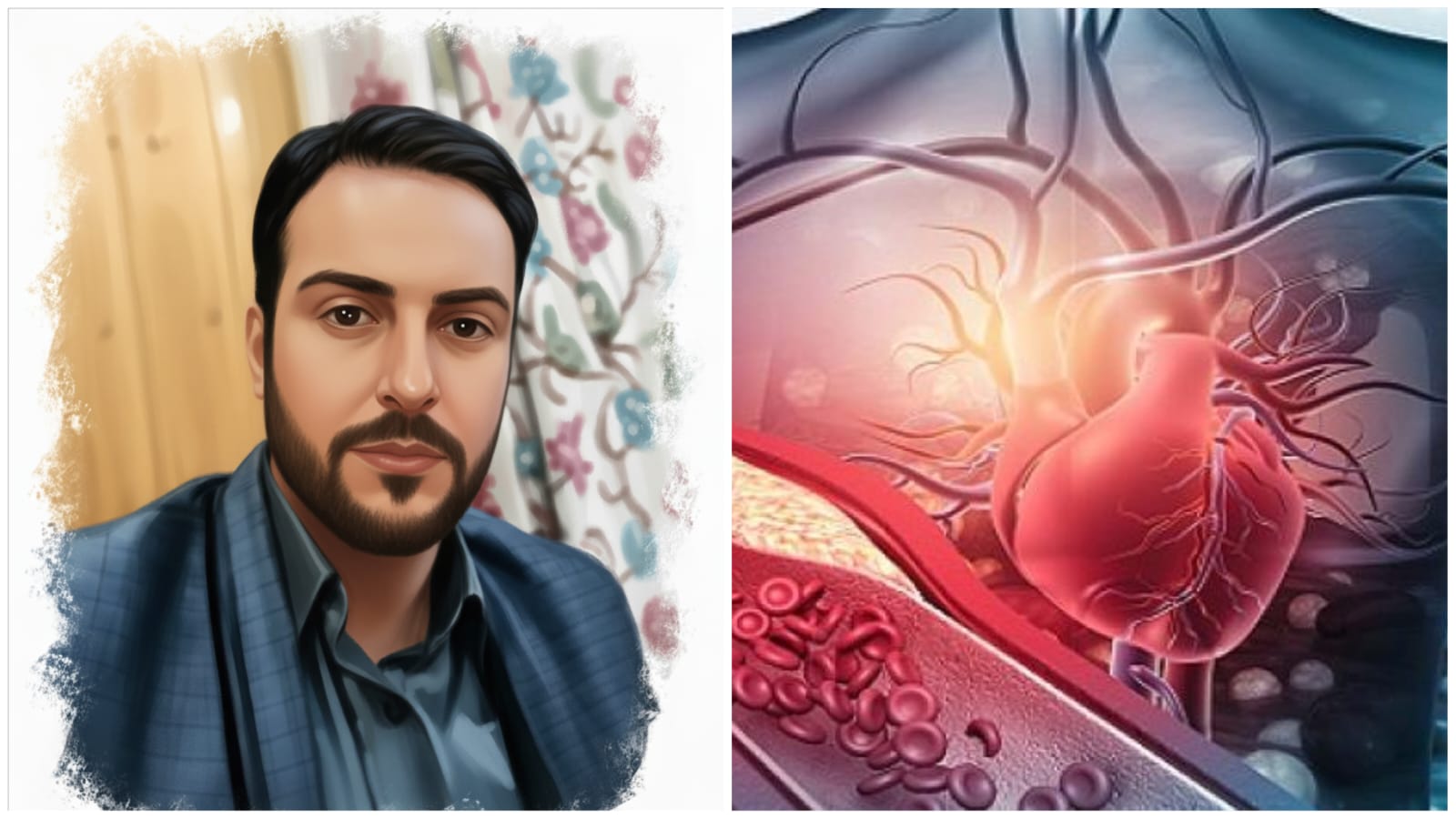
Heart disease has quietly become one of the most serious public health challenges across Jammu and Kashmir, emerging as a silent epidemic that is touching lives in every part of the Union Territory — from the bustling plains of Jammu to the mountain hamlets of Kashmir and the remote valleys of Chenab and Pir Panjal. Once viewed as a condition linked mainly to old age, cardiovascular diseases are now affecting younger people, raising deep concern among doctors, policymakers, and families alike. The steep rise in cardiac ailments over the past decade reflects a troubling shift in lifestyle, environment, and public awareness — a combination that calls for urgent attention and collective response.
Across the region, hospitals are witnessing a marked increase in cases of heart attacks, hypertension, and high cholesterol. What makes this trend particularly worrying is the growing number of younger individuals — many in their thirties and forties — reporting cardiac complications. The change mirrors the transformation in lifestyle patterns, work habits, and diets that have reshaped daily life throughout Jammu and Kashmir. Sedentary routines, long working hours, and dependence on technology have dramatically reduced physical activity. Traditional outdoor recreation and physical labour, once part of everyday life, have given way to more static, indoor habits.
At the same time, dietary habits have changed. Balanced, home-cooked meals — rich in vegetables, pulses, and whole grains — are increasingly being replaced by fast food and packaged items loaded with salt, sugar, and unhealthy fats. The growing culture of eating out and reliance on processed foods have fuelled obesity, diabetes, and hypertension — all major risk factors for heart disease. This shift in lifestyle has not spared even the rural population, where the influence of urban food habits and declining physical activity are becoming more visible.
Tobacco use remains another major driver of the crisis. Despite widespread awareness campaigns, smoking and other forms of tobacco consumption remain common among both youth and adults. The easy availability of cigarettes and the increasing use of drugs and other addictive substances have compounded the health burden. Equally damaging are rising levels of stress and mental health challenges caused by unemployment, financial strain, academic pressure, and social uncertainty. Chronic stress triggers biochemical changes that adversely affect heart health, and when combined with unhealthy coping mechanisms like smoking or overeating, the results can be devastating.
The climate of Jammu and Kashmir further aggravates this problem. The severe winter conditions in Kashmir and parts of the Chenab and Pir Panjal regions often lead to a spike in cardiac emergencies. Cold temperatures cause the blood vessels to constrict, raising blood pressure and putting additional strain on the heart. In areas where heating arrangements are poor, sudden exposure to cold can trigger heart attacks, particularly in the early morning or late-night hours. On the other hand, the intense summer heat in the plains of Jammu can also put stress on the heart, especially among the elderly and those already battling cardiac conditions. Both climatic extremes — freezing cold and sweltering heat — intensify the burden on an already vulnerable population.
Compounding the crisis is limited public awareness about the early symptoms of heart disease and the importance of preventive care. Many people continue to ignore warning signs such as chest discomfort, shortness of breath, or unexplained fatigue. In several cases, patients seek medical attention only when symptoms become severe, losing precious time in the process. Although healthcare facilities have improved in recent years, advanced cardiac care remains concentrated in a few urban hospitals. For people living in far-flung or mountainous areas, reaching a well-equipped medical centre during an emergency often proves impossible within the critical “golden hour.”
Efforts have been made in recent years to strengthen the healthcare system. The introduction of telemedicine services, digital consultations, and referral networks has improved access to specialists, particularly for patients in remote areas. Government health departments, non-governmental organisations, and medical institutions have launched awareness drives, organised health camps, and promoted regular screenings for blood pressure and cholesterol. These initiatives are steps in the right direction, but they remain limited in reach and continuity. To make a real difference, awareness campaigns and preventive care programmes need to extend to every block, school, and community across Jammu and Kashmir.
The impact of heart disease extends far beyond the individual. It is not merely a medical issue but a social and economic one. When people in their most productive years develop heart conditions, families face emotional trauma and financial strain. Long-term treatment, medication, and hospital visits are expensive, and the loss of earning capacity can push entire households into hardship. Preventive healthcare, therefore, is not only about saving lives — it is also about protecting livelihoods and strengthening the social fabric.
Addressing this growing crisis requires more than medical treatment; it demands a cultural shift toward health consciousness. Strengthening rural healthcare infrastructure, ensuring regular screening at primary health centres, and promoting preventive habits must become public priorities. Schools, colleges, workplaces, and community institutions can play an important role by educating people about the importance of a healthy diet, regular exercise, and tobacco cessation. Encouraging outdoor activities, sports, and walking can help people rediscover physical habits that once defined life in the region.
Community involvement is central to reversing this trend. Religious leaders, local organisations, and media outlets can help spread awareness and advocate for heart-friendly lifestyles. Traditional Kashmiri and Dogra cuisines, when consumed in moderation and balanced with fruits, vegetables, and physical activity, can remain part of a healthy lifestyle. Reconnecting with local food wisdom and active living can significantly reduce the risk of heart disease.
The rising tide of cardiac ailments across Jammu and Kashmir is a stark reminder that health cannot be taken for granted. It calls for collective responsibility — from individuals to institutions — to safeguard heart health and promote a culture of wellness. The growing number of heart attacks and related diseases is not an inevitable outcome of modern life; it is a preventable tragedy that demands awareness, discipline, and community action.
The time to act is now. Investing in preventive healthcare, strengthening early diagnosis, and fostering healthy living habits can save countless lives. Protecting the hearts of the people of Jammu and Kashmir is not just a medical imperative — it is a moral one, vital to securing the region’s collective well-being and future.
The author is a senior analyst and can be mailed at [email protected], X/Twitter: @haniefmha